Port Congestion Survival Guide: Tips for Seamless Cargo Clearance
June 17, 2026 | Skystars Editorial
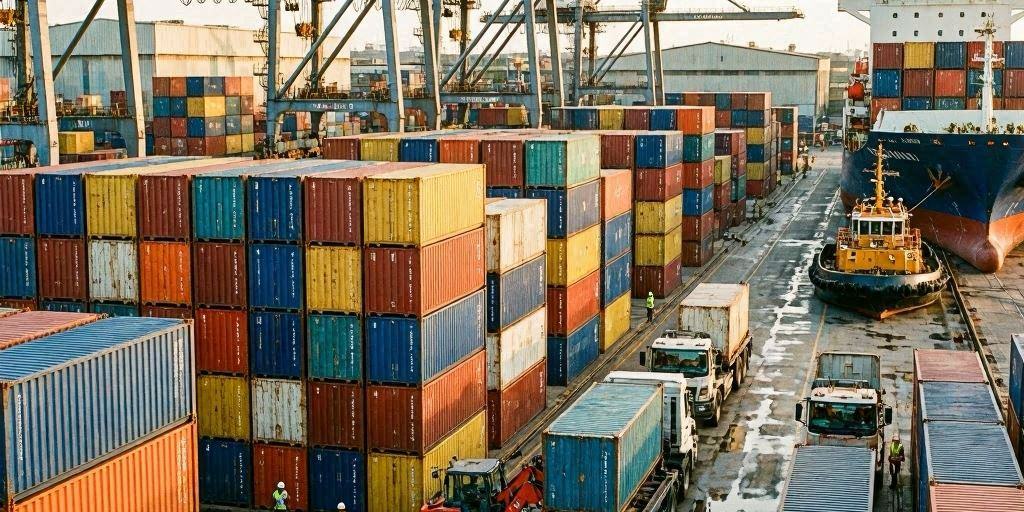
Global ports frequently experience seasonal congestion due to high peak volumes, labor shortages, or adverse weather conditions. When a port slows down, the ripple effects can severely impact your distribution schedules and incur massive port storage charges.
Surviving port congestion requires proactive logistics planning. First, prioritize pre-manifest filing; lodging your customs entries well before the vessel docks allows for immediate processing upon arrival. Second, consider routing cargo through less congested secondary ports, utilizing coastal feeder vessels or rail connections to reach the final destination.
Finally, maintaining strong relationships with reliable transport fleets ensures that the moment your cargo is cleared by customs, a chassis is ready on-site to instantly evacuate the container from the terminal gates.